
Field guide
What is a wall worth? A practical guide to pricing physical ad space
A useful starting point for turning foot traffic, visibility, placement quality, and operating effort into a defensible asking price.
July 15, 2026 · 6 min read · OpenWall Editorial
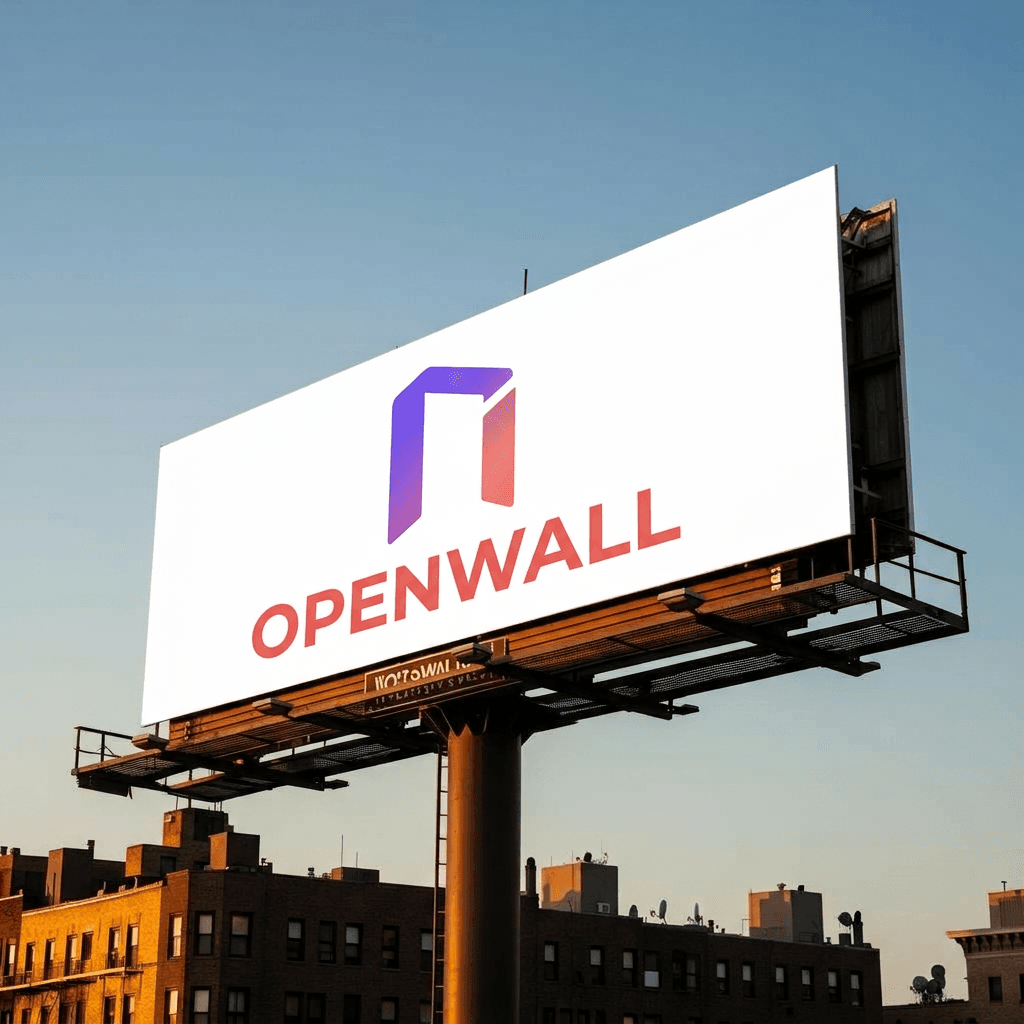
The value of physical media begins with the number of relevant people who can actually notice it. Raw foot or vehicle traffic helps, but it is only the first input. A wall seen by 10,000 hurried commuters at a difficult angle can be less useful than a storefront seen by 2,000 people waiting at a crossing.
Start with observable attention
Record traffic at representative times, the average viewing distance, how long the placement stays in view, lighting conditions, and whether anything regularly blocks it. Photos from the audience's point of view are often more useful than a perfect close-up of the surface.
- Count relevant passersby, not every person in the neighborhood.
- Note dwell time, viewing angle, illumination, and repeat exposure.
- Separate weekday, weekend, daytime, and evening patterns.
The goal is not to manufacture a giant impression number. It is to describe the attention honestly enough that an advertiser can decide whether it matches the campaign.
Turn attention into a floor price
Comparable listings are the fastest way to establish a range. Compare spaces with a similar audience, format, visibility, and booking period—not simply the nearest wall. Then adjust for qualities an advertiser cannot reproduce elsewhere, such as proximity to a venue entrance or a recurring neighborhood event.
The floor price should be the lowest amount that makes the placement worth operating. It is not necessarily the final clearing price. An open bidding period lets demand reveal whether the audience, timing, or location is worth more to a particular advertiser.
A strong asking price is a range backed by observable attention, placement quality, and the real cost of keeping the space live.
Price the whole delivery job
Rent is only one part of the work. Someone has to measure the surface, review artwork, coordinate access, install the material, document the placement, and take it down cleanly. If the venue performs those tasks, production and setup should be explicit rather than hidden inside an arbitrary monthly rate.
Also account for lead time and downtime. A difficult installation that closes part of a storefront for an hour has a different cost from sliding a poster into an existing frame. Clear line items make proposals easier to compare and prevent a promising booking from becoming unprofitable.
Let the market improve the estimate
The first price is a hypothesis. Watch listing views, saves, questions, bids, and the time it takes to book. High interest with no bids can signal that the floor is too high or the listing lacks enough evidence. Fast repeated bookings can justify testing a higher floor in the next period.
Keep the history. Over time, cleared prices by season and audience become a local rate card grounded in actual demand rather than a generic outdoor-media average.
Read next