
Product
Proof, not promises: a better trust layer for outdoor advertising
How time-stamped placement evidence, clear review states, and delivery history make physical media easier to buy and operate.
June 30, 2026 · 7 min read · OpenWall Editorial
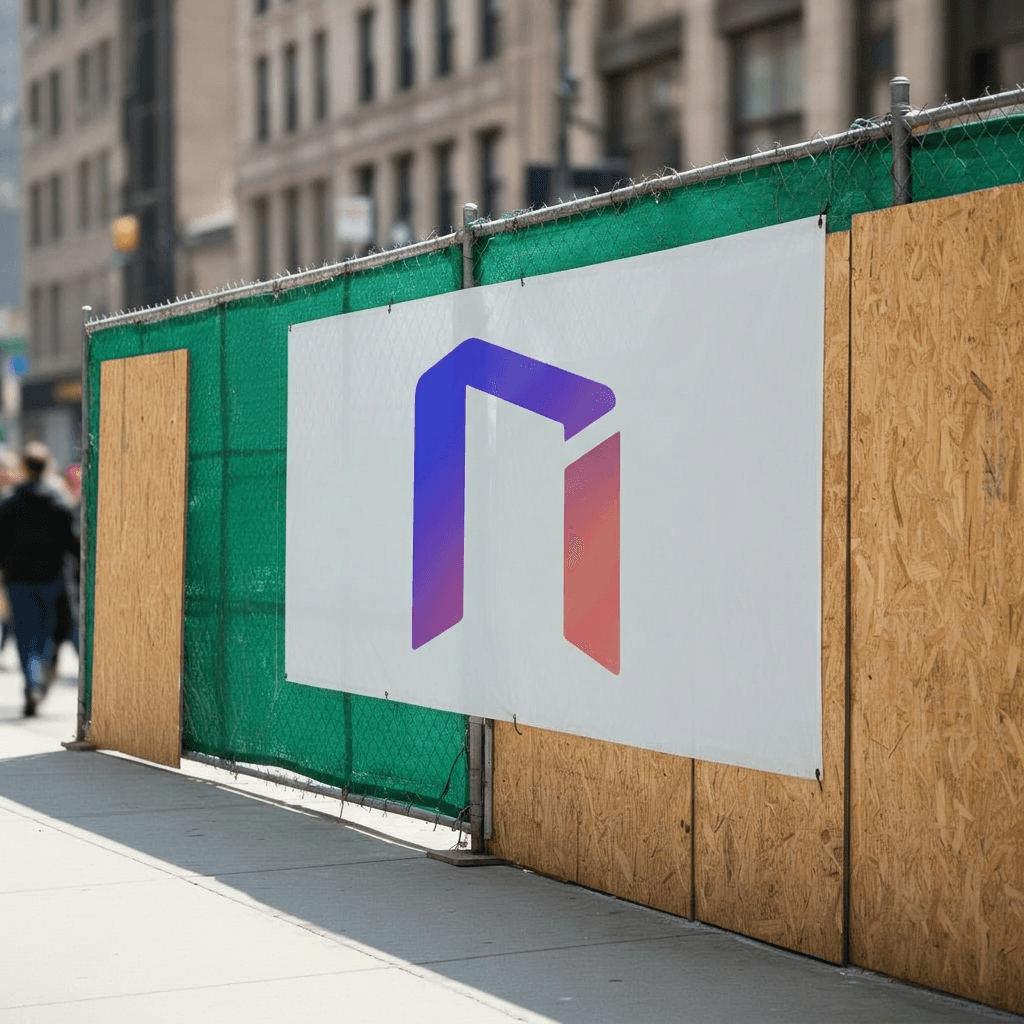
A physical campaign can be sold from a deck, approved through email, installed by a separate crew, and reported weeks later. Each handoff creates room for uncertainty: Was the correct creative used? Did it go live on time? Was the promised surface unobstructed?
Outdoor's old trust gap
Large operators manage delivery with established processes. Smaller independent placements need the same confidence without a stack of spreadsheets and status calls. The answer is not more marketing language; it is a simple record of what was delivered.
A useful proof connects evidence to a specific placement and obligation. It should identify the campaign, surface, expected run period, submission time, and review state. Location and time signals add confidence, while a clear photo lets both sides judge the actual result.
Build a record, not a photo dump
The advertiser should be able to approve, flag, or ask a question without leaving the record. The venue should see what remains unresolved. That shared state is more valuable than sending the same image through several inboxes.
- Capture the full placement and enough surroundings to establish context.
- Keep the original submission time and review history.
- Tie payout milestones to agreed delivery states.
Verification works best as a shared delivery record: what went up, where it appeared, when it was checked, and who accepted it.
Timing is part of the evidence
Evidence submitted at the end of a month cannot prove that a campaign launched on the first day. Initial install proof should arrive close to launch, and longer campaigns may need periodic check-ins when weather, construction, or daily operations can affect the display.
The cadence should match the risk. A one-night event requires a tight window. A protected indoor frame may need fewer checks than an exposed fence banner. Verification should reduce uncertainty without turning venue staff into full-time auditors.
What verification unlocks
Reliable proof supports more than dispute resolution. It allows staged payouts, gives strong operators a delivery history, and helps advertisers distinguish between inventory that merely exists and inventory that is consistently maintained.
Over time, the marketplace can reward accurate listings and dependable fulfillment. That makes trust visible before the next booking—not only after something goes wrong.
Read next